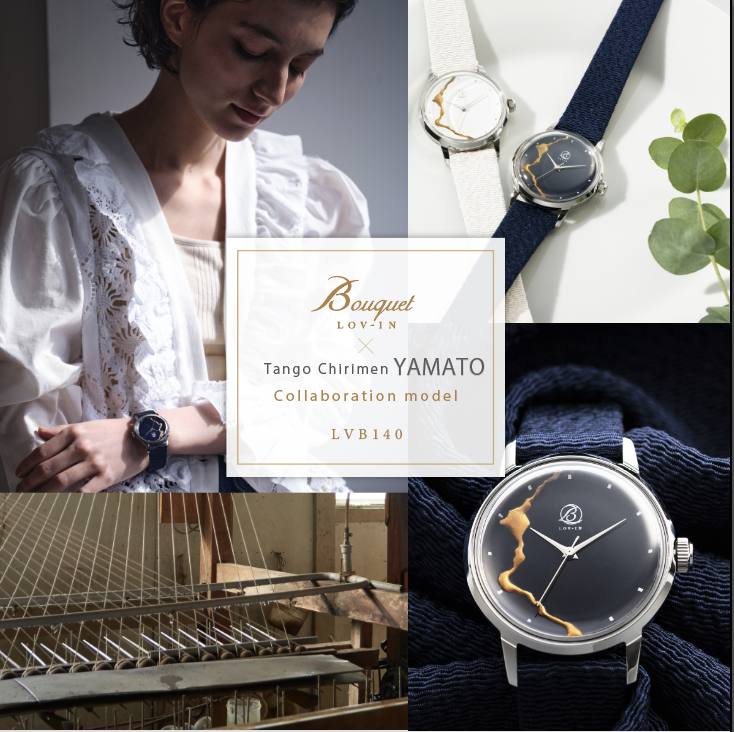

Kimono Silk Watch | A watch that engraves traditional handicraft of Tango Chirimen silk
A collaboration watch with long-established Tango Chirimen shop [YAMATO]

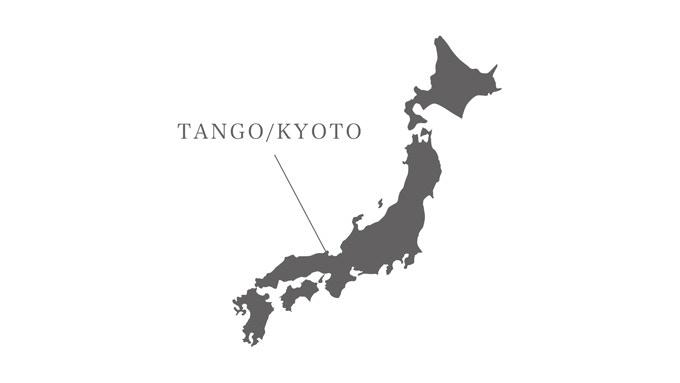
Tango Chirimen Silk Strap from Tango Kyoto, where 70% of Japanese Kimono is woven
Tango is the land that weaves most of Japanese kimono fabrics. The peculiar climate, with the “uranishi” wind that contains moisture from autumn to winter, is suitable for weaving of raw silk, which tends to break easily due to dryness. The strap uses Tango Chirimen silk, which has been woven in the area for over 300 years. The fabric has an uneven creased texture that does not easily wrinkle, and has been used for high-end kimonos for a long time.

Kintsugi x Amanohashidate
The dial inherited Japanese minimalism with a gold line inspired by one of the three most scenic ports in Japan—the famous Amanohashidate in Tango, Kyoto. The design is inspired by the traditional repair technique [Kintsugi].
The dial’s elegant design expresses the Japanese spirit by using the traditional ancient technique and fusing it with the mythological ambience of Tango.



A long established store of Tango Chirimen in Kyoto
YAMATO
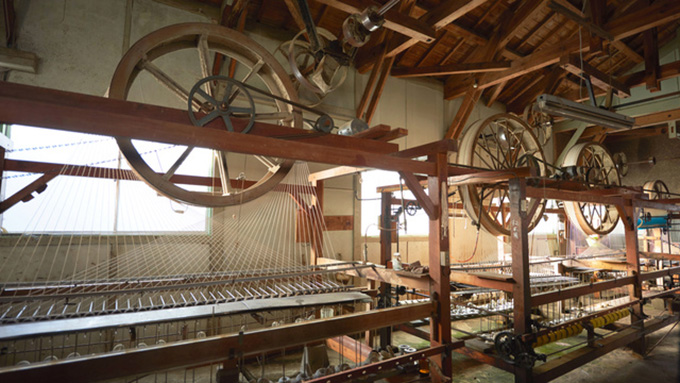
Yamato was founded in 1833 in Yosano-cho near Amanohashidate. Yamato has been producing Yuzen furoshiki and pure silk fukusa for over 180 years with unceasing technique and trust.